

The Cheeky Panda
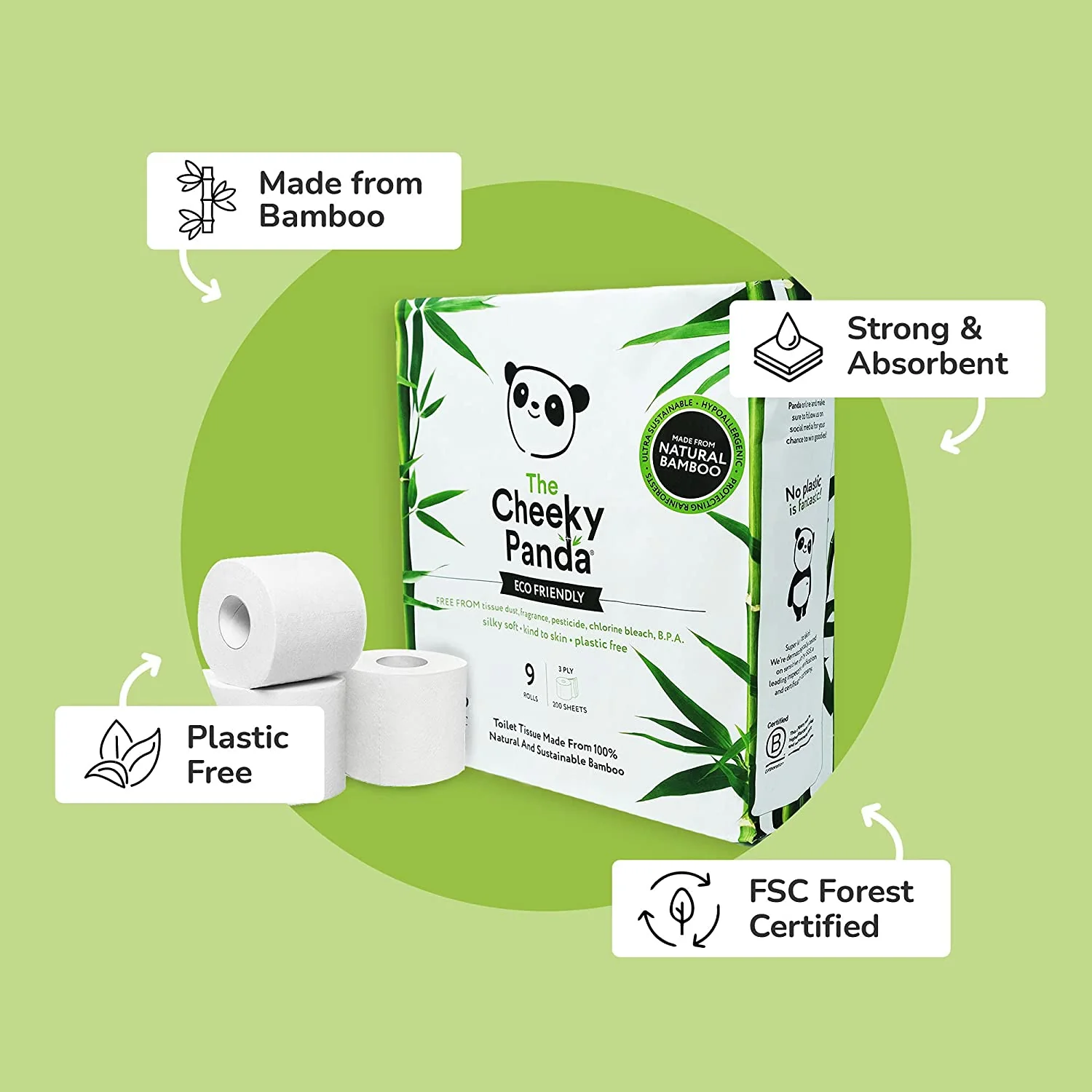
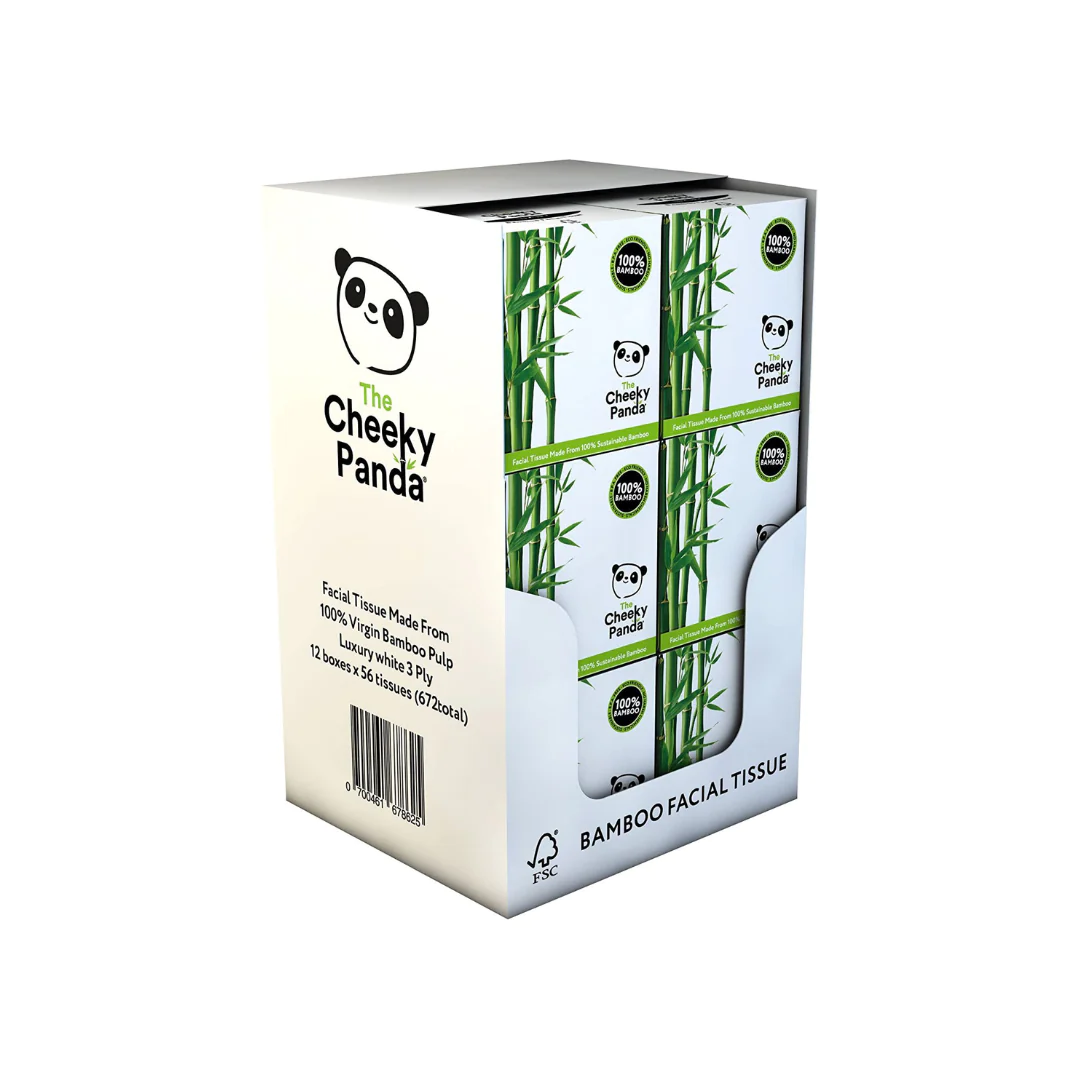
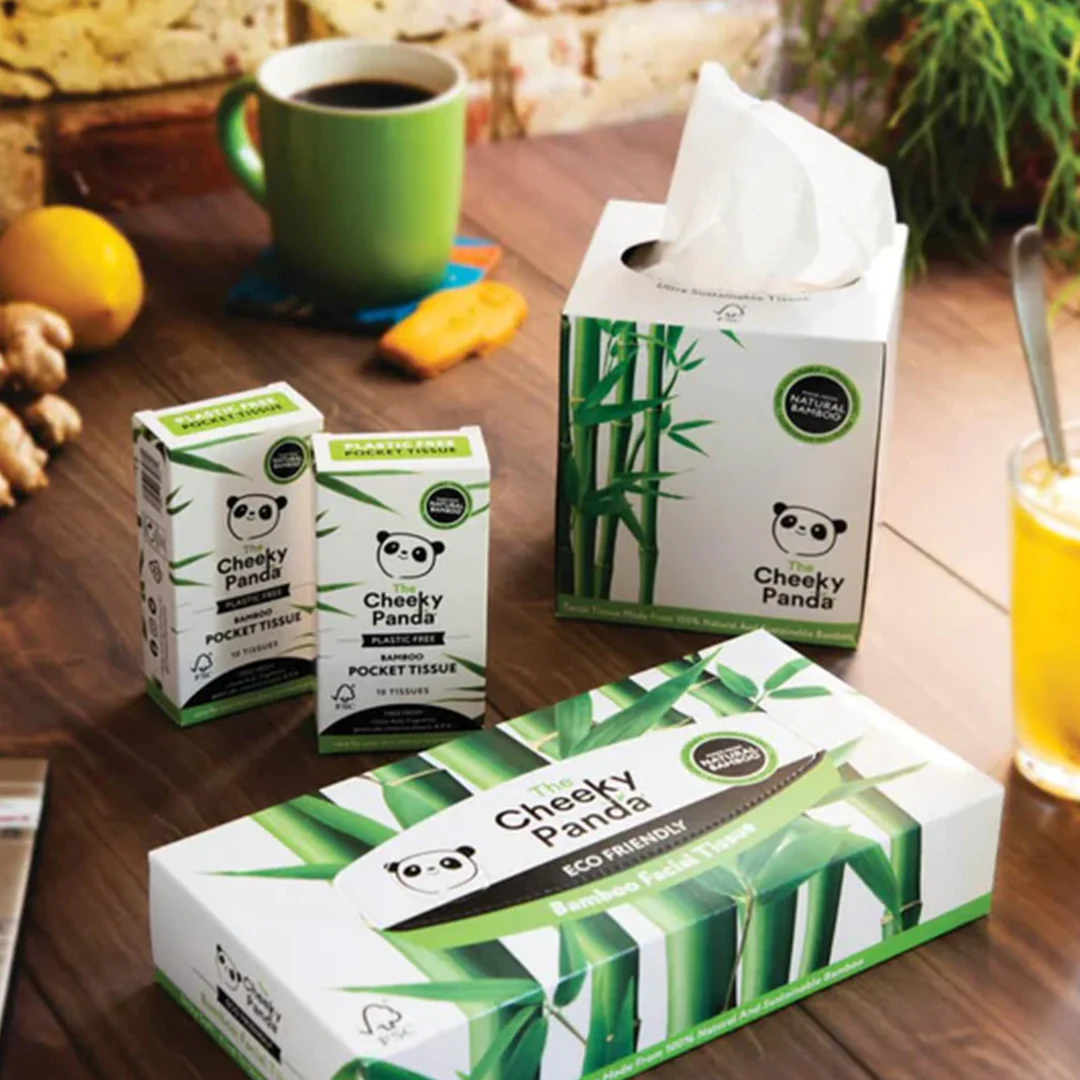
The Cheeky Panda uses waste bamboo to make luxury toilet tissue, giving farmers extra income and creating job opportunities for local workers while offering a more sustainable, healthier toilet paper alternative.
Visit Cheeky PandaChris offered some sage advice for navigating the challenges and opportunities in growing a consumer brand, sustainably.
What inspired you to start your business and have sustainability take such a central role?
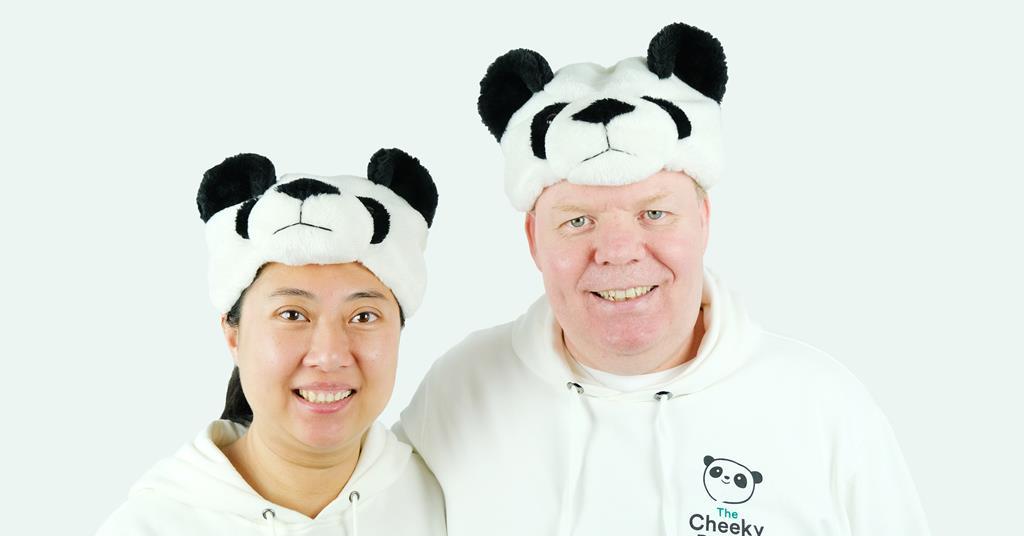
Before founding Cheeky Panda, I ran a management consultancy and financial services business while Julie was at the helm of a lifestyle business. Julie's dream was to build a world-class, sustainable brand, and after brainstorming several ideas, the one that stuck with us was manufacturing tissue paper from bamboo.
For about six months, we used bamboo tissues in our home, refining the concept of our business. After being satisfied with the product, we decided to vet the supply chain in China as we believed an ethical business must be supported by an ethical supply chain.
Impressed by the cooperative farming methods, fair wages, and a culture of giving back to people and land in our manufacturing process, we decided in 2016 to launch Cheeky Panda, a brand committed to sustainability, ethical practices, and delivering quality products.
What practices have you implemented and how has it positively impacted your business?
Our journey with Cheeky Panda started with bamboo, the world's fastest growing plant, as our central sustainable material. However, sustainability is an ongoing endeavor, requiring constant improvements.
Since 2017, we've partnered with the World Land Trust on a carbon balancing project to protect Vietnamese rainforests. We've saved about 30,000 tons of carbon compared to if customers bought regular tissue.
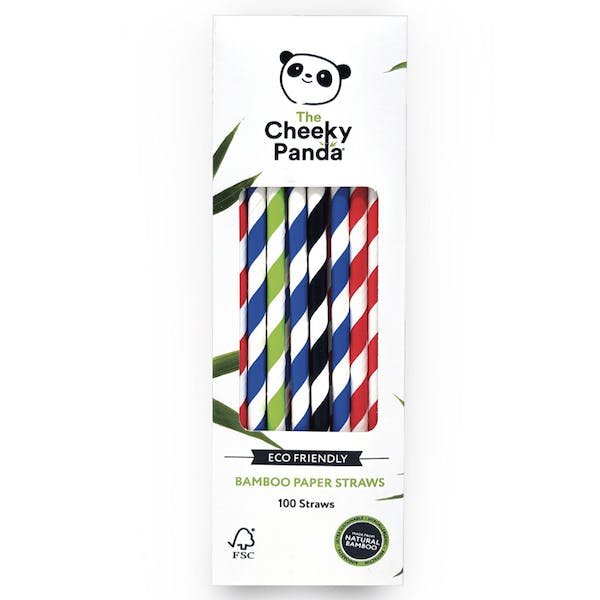
In 2018, we eliminated plastic from our packaging. We've estimated that we've saved around 500,000 kilos of plastic thanks to customers purchasing our products.
We've saved about 400,000 trees since bamboo replaces conventional pulp in our products. That's 20 trees saved for every ton of regular pulp.
What hurdles have you encountered and how have you managed to overcome them?
Since the inception of Cheeky Panda in 2016, we've navigated an ever-changing business climate, facing one crisis after another. We often joke that black swan events are becoming more common than white swans.
Our journey began with the currency devaluation of the pound against the dollar, which drastically affected our margins. We then weathered the challenges of Brexit, followed by the COVID pandemic, and most recently, hyperinflation.
We live on a planet with stretched resources, and until there is a global shift towards more sustainable practices, we'll continue to see these unpredictable, crisis-driven events.
What do you see as the main sustainability challenges facing FMCG companies in the near future?
The impacts of hyperinflation and supply chain disruptions have been significant, affecting everything from the materials used for product packaging to increased labor costs.
This reinforces the point that we operate in an ever-changing environment, underlining the importance of controlling our own destiny as much as possible. Businesses need to have contingency plans in place, not just a plan B, but plans C and D as well.
What advice would you give entrepreneurs aspiring to greater sustainability ambitions for their FMCG business?
My advice is to fail fast if the idea is destined to fail. It's better to bootstrap, bring your idea to market, and iterate on it rather than raising large amounts from investors for a concept that may not work.
Cash is king in the business world. You could have the best product, but without proper marketing or sales, it's virtually worthless.
In our first three years, we had to rely on raising capital as banks were reluctant to lend us money. We've adopted a laddered approach: growth spurts followed by investment rounds.
*BONUS* Do you have any sustainable brands that you're a big fan of and would like to shout out to the readers?
As an emerging brand, I particularly appreciate those tackling the issue of plastic pollution in the ocean. I believe those addressing plastic pollution, such as OceanSaver, deserve a spotlight.
Initiatives aiming to eliminate plastic and curb deforestation have my wholehearted support. These actions are vital in closing the loop in our consumption cycle and ensuring a more sustainable future.
Ready to tell your sustainability story?
Join hundreds of brands already measuring and reducing their environmental impact.